
What to Do Before Updating a Revenue-Critical WordPress Site
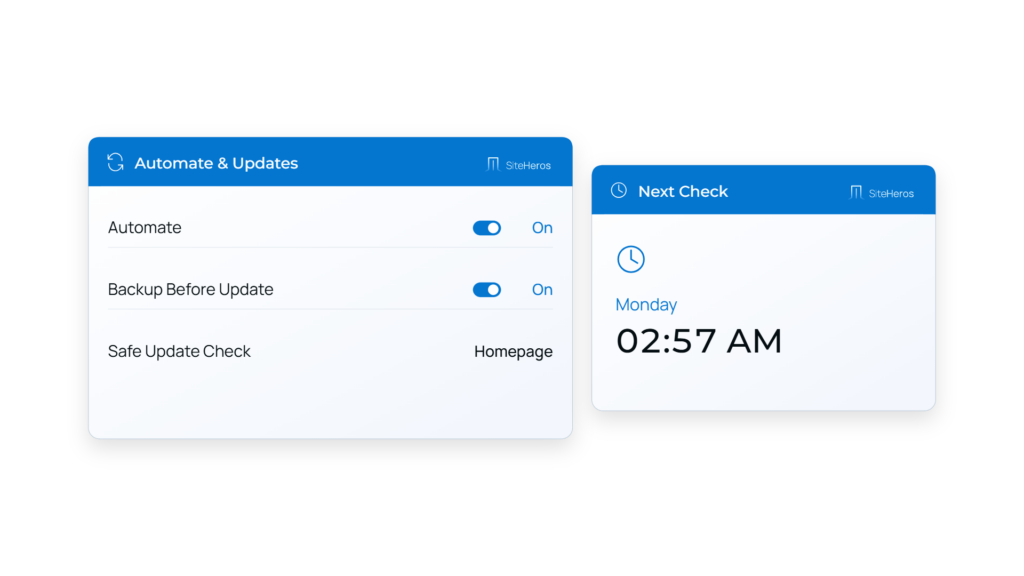
Updates should not become a gamble. A short change plan, recovery point, and focused validation make routine maintenance much less dramatic.
When a Business Has Outgrown Commodity WordPress Hosting
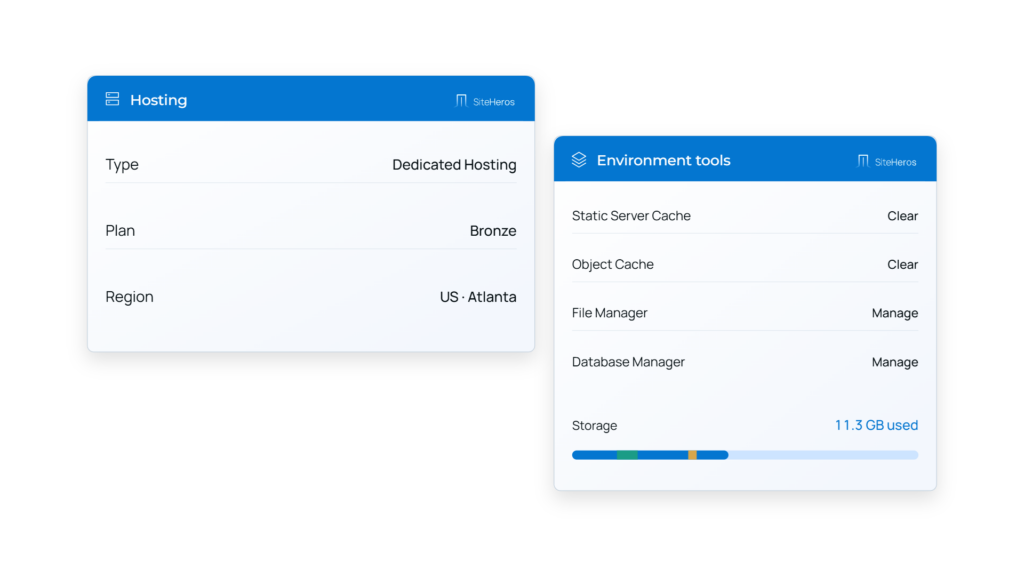
The signal is rarely one dramatic outage. It is the accumulation of slow admin work, inconsistent delivery, vague ownership, and reactive fixes.
The Business Toolkit Is an Operating Layer, Not a Plugin Bundle

The practical value comes from configuration and fit: performance, protection, forms, analytics, search, recovery, and migration working around one site.
Performance Budgets for Small Teams
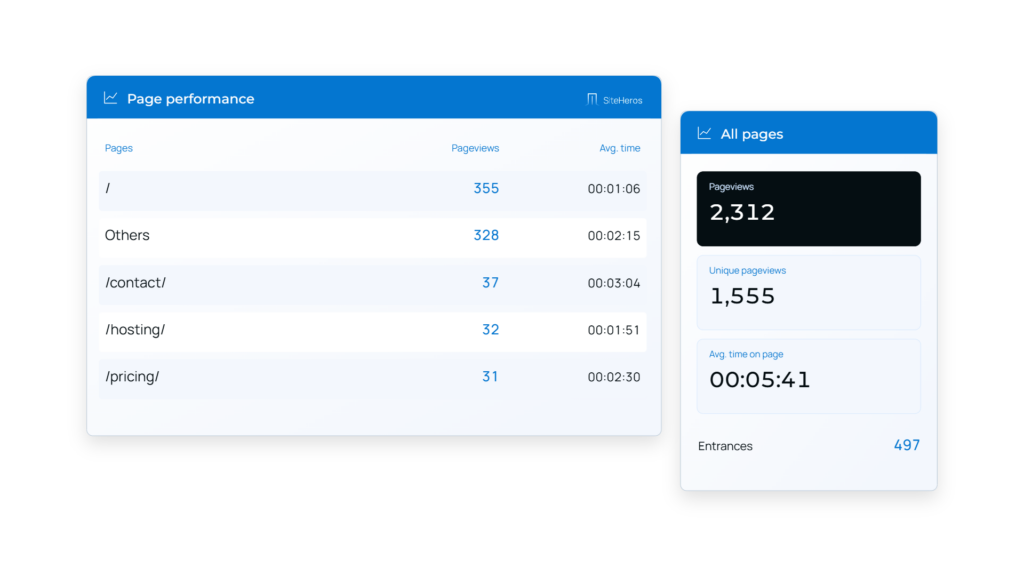
A performance budget is a boundary the team can understand: page weight, critical scripts, image size, or response time on the journeys that matter.
When to Replatform and When to Repair
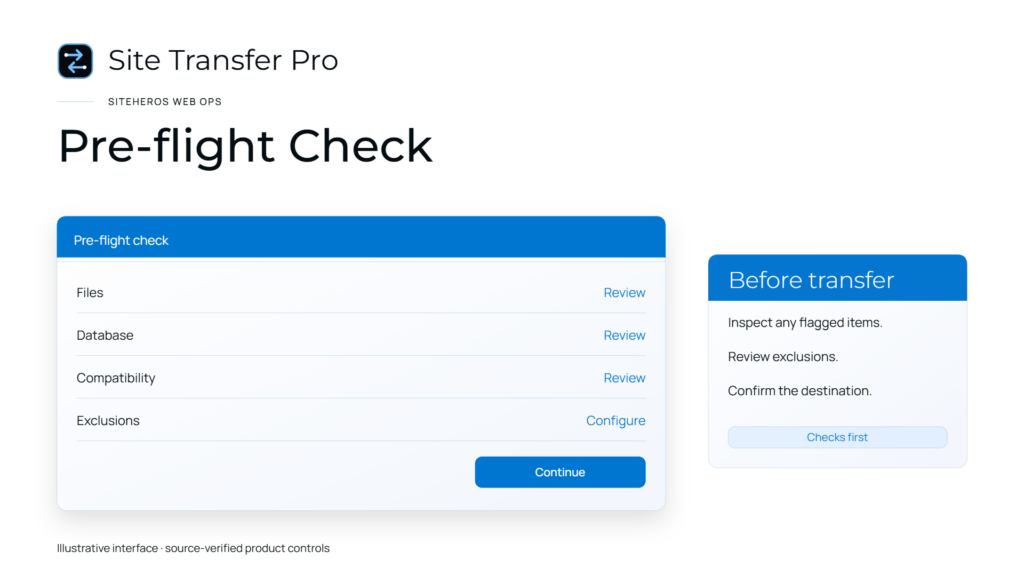
A full rebuild is not automatically the mature choice. Some sites need a cleaner operating foundation; others carry structural debt that makes repair expensive.
The Web Ops Hub as an Operating Relationship
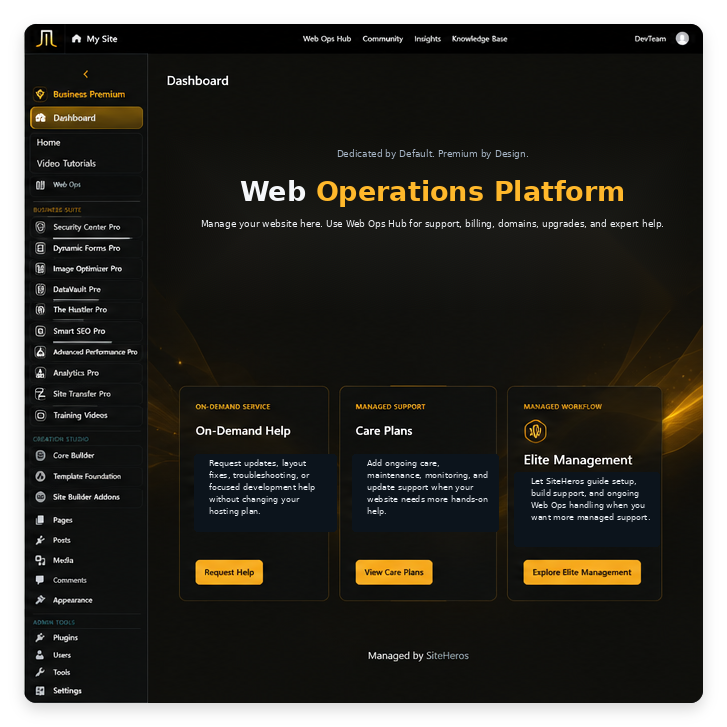
A client portal is useful when it clarifies services, support, and site details. It should reduce uncertainty rather than become another dashboard to manage.
Why Login Protection Deserves More Attention Than Password Advice
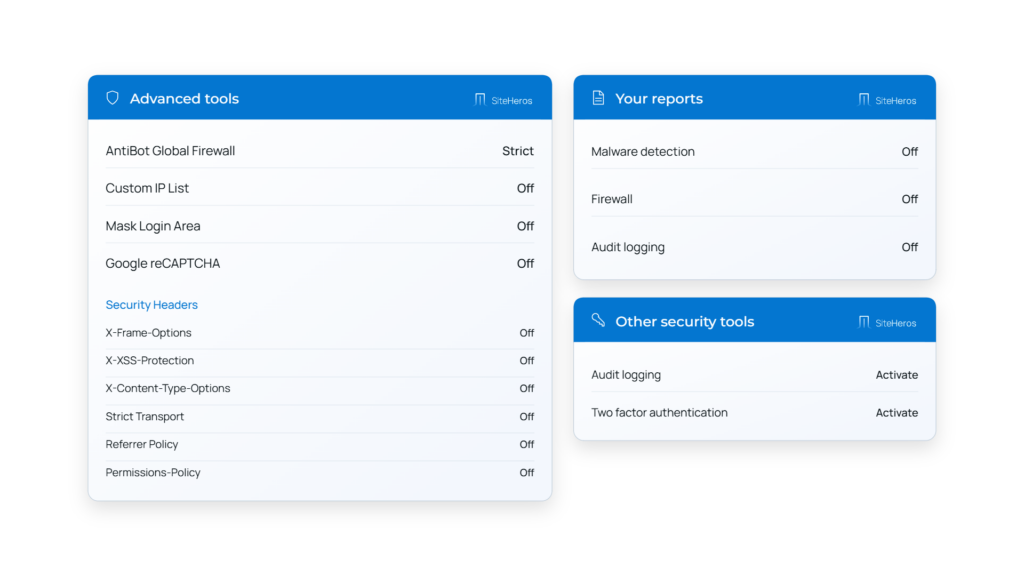
Strong passwords help, but rate limits, multi-factor controls, role design, and visibility into login activity carry the practice further.
How Elite Management Keeps Scope Clear
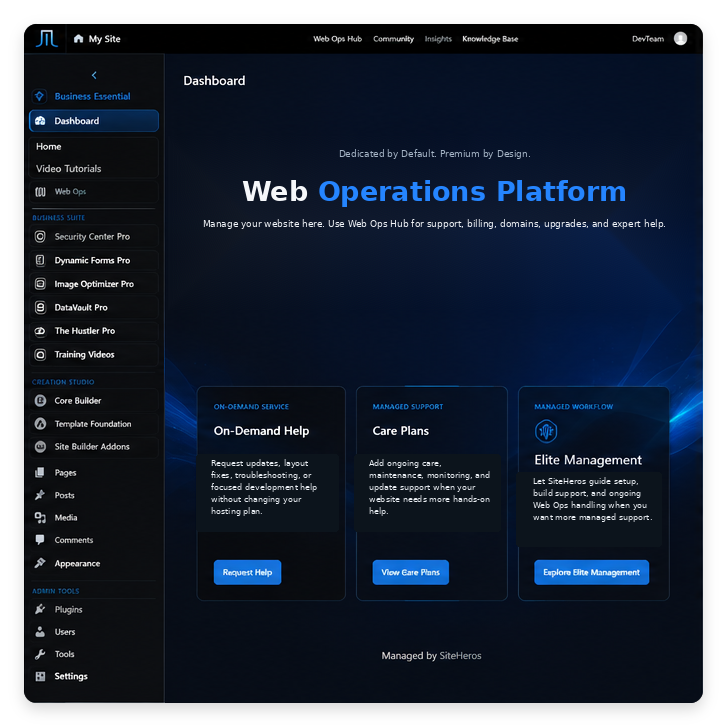
Premium service works best when the boundaries are visible. The package should say what is included, what triggers new scope, and how decisions move.
Preparing WordPress for a Campaign Traffic Spike
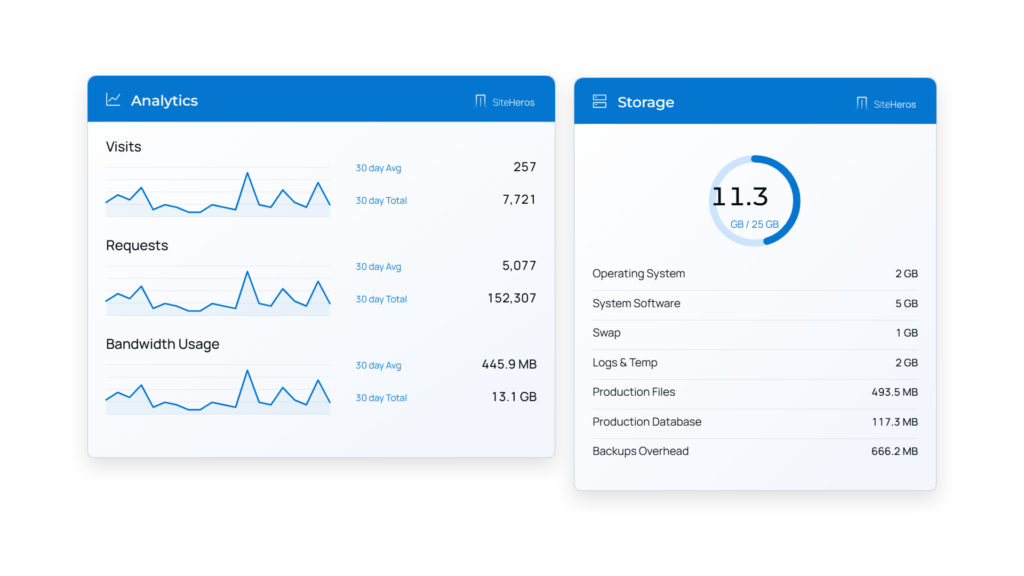
Campaign readiness is a coordination exercise across capacity, caching, forms, third-party services, and the team watching the launch.
Caching Works Best When Someone Owns the Exceptions
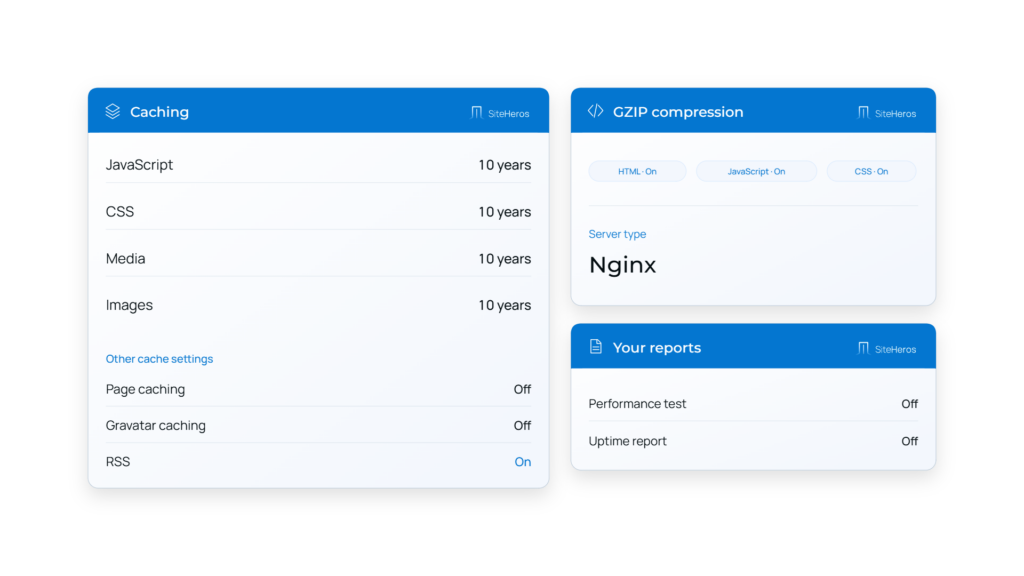
Caching can reduce repeated work, but forms, carts, member pages, and personalized content need deliberate exclusions.